


Downsizing after decades in the same Winchester home is not a packing problem. It is a decision problem. Every closet holds forty years of birthdays, and the sheer volume of choices is what wears people out, long before the first box gets taped. The families who do this well give the decisions more time than the move.
Whether the destination is a smaller home in Frederick County, a place near the grandkids, or a retirement community, this guide keeps the process calm, safe, and on schedule. It comes from years of moving Winchester families through exactly this season of life.
Where do you start when downsizing a home?
Start two to three months ahead, work one room at a time, and begin in the spaces with the least sentiment, like the guest room or the hall closet. Sort everything into four groups: keep, give to family, donate or sell, and discard. Getting a floor plan of the new home first makes every decision easier, because the space itself answers most of the questions.
Momentum matters more than speed. One finished room builds confidence for the harder ones, so bank the easy wins early and save the photo boxes and keepsakes for last, when you have a rhythm. Put the plan on a calendar, one room per week, and let the visible progress keep the project from feeling endless.
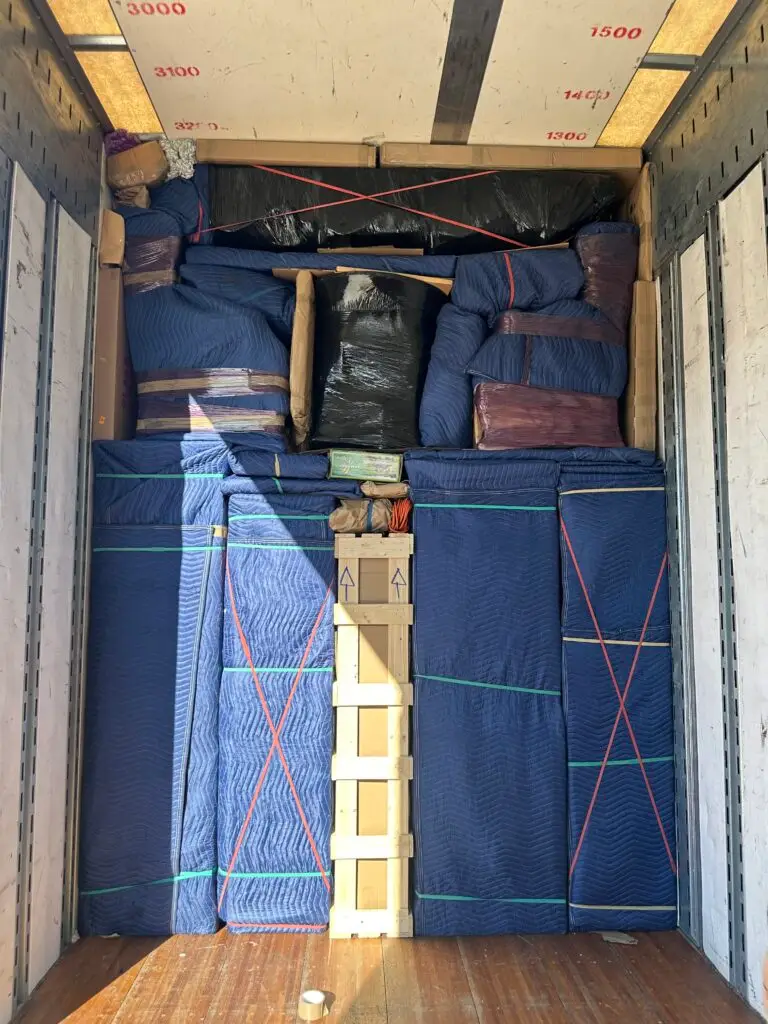
Let the new floor plan make the decisions
Measure the rooms in the new home, or get the community’s floor plan, and map which large pieces actually fit before anything gets packed. A sectional that anchored a family room rarely fits a cottage living room, and two china cabinets almost never travel well to one dining space. Prioritize the furniture you use daily, plus the few pieces that make anywhere feel like home. Painters tape on the floor of the current house can mock up the new room sizes and settle most furniture debates in about five minutes.
Think in terms of single level living while you sort. Everything you need should live on one floor, within easy reach, without step stools or basement trips. Duplicates are the easiest cuts: three sets of pots, four spare blankets, two vacuum cleaners. Keep the best one and let the rest bless someone else.
Finding good homes for everything that stays behind
Give heirlooms to family now, while you can attach the stories to them, and ask people directly what they would treasure. Be ready for some polite passes, because grandkids furnish differently than we did, and it is no reflection on the memories. Photograph the sentimental pieces you cannot keep. The picture holds the memory without holding the square footage.
For the rest, an estate sale or consignment shop handles items with real value, and Winchester has good donation options, including the Habitat for Humanity ReStore for furniture and several charities that schedule pickups. Shred outdated paperwork, and keep deeds, titles, and medical records in one folder that rides with you on moving day. For anything you suspect has real value, an appraiser or auction house can tell you quickly, and it is worth knowing before the estate sale stickers go on.

Pace yourself and accept the help
Short sessions beat marathons every time. Two focused hours with water and a real break accomplishes more than an exhausting Saturday, and it keeps sorting from becoming something you dread. Sit while you sort, skip the ladders, and leave the attic and basement hauling to younger backs or the moving crew.
Family helps best with specific jobs: one person listing items for sale, one running donations, one packing books. If family is far away, senior move managers can run the whole process, and a moving company experienced with senior moves will plan extra time, extra patience, and extra care into the day itself. There is no prize for doing this alone, and the people offering to help usually mean it.
Moving day, the gentle version
Pack a personal bag that never leaves your side: medications, glasses, phone and charger, important documents, and a change of clothes. Have a family member or friend along whose only job is you, not boxes. Moving day should mostly involve pointing, not lifting.
At the new home, set up the bedroom and bathroom first, and arrange furniture close to the old layout so the first night feels familiar. Unpack over days, not hours. If some decisions still are not made, short term storage holds the undecided items so nothing gets forced or regretted. Hang the familiar pictures during the first week, because walls that look like home make it feel like home faster than any unpacked box.
Bottom Line
Downsizing works when the calendar is generous, the sorting starts in the unemotional rooms, and the new floor plan gets the final vote. Give it two or three months, take the help that is offered, and let moving day be the easiest step instead of the hardest. Patton’s Moving & Storage has moved generations of Winchester families through this exact transition, and our crews know the difference between moving boxes and moving a life.
Related reading: our senior moving services, When to Use Self Storage During Your Winchester VA Move, How to Plan an Office or Commercial Move in Winchester VA