

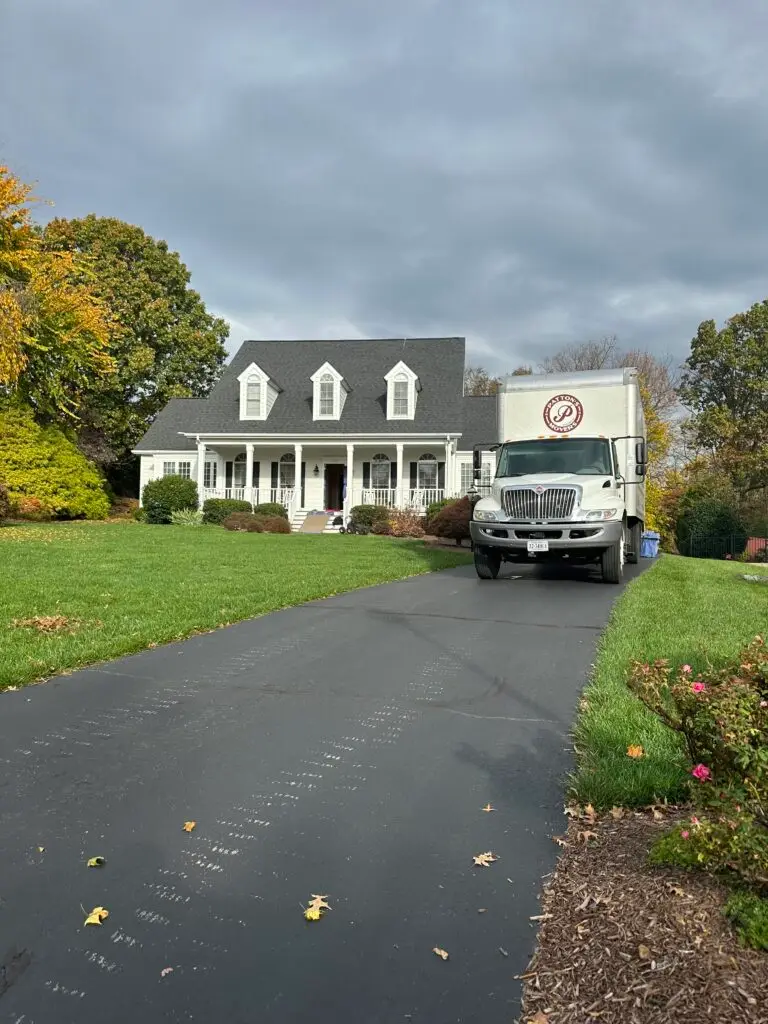
On paper, every move is the same job: boxes and furniture travel from one address to another. In practice, moving out of a third floor apartment near Old Town Winchester and moving out of a four bedroom colonial in Frederick County are two different sports, and each one punishes the wrong preparation.
Knowing which game you are playing changes how you prep, what you ask the movers, and how long the day runs. Here is what actually differs, from someone who loads trucks at both kinds of address every week.
Is moving out of an apartment different from moving out of a house?
Yes, and the difference is the shape of the work. Apartment moves revolve around building logistics: elevators, stairs, parking, and management rules. House moves revolve around volume and access. A one bedroom apartment typically takes two movers 2 to 4 hours, while a full house runs 6 to 9 or more with a bigger crew.
Neither is automatically easier. A small apartment above three flights of narrow stairs can out fight a rancher with a wide driveway, which is why good movers ask so many questions about the building before they quote the job.

What apartment buildings ask of you
Larger buildings run moves by the book. Many require an elevator reservation, a certificate of insurance from your mover on file with management days in advance, and moves confined to certain hours. Skip those steps and a fully loaded crew can be standing in a lobby waiting on a property manager, on your dime. One call to the office when you book your mover clears all of it.
The physical layout matters just as much. Every hallway, stair flight, and parking lot lap adds carry time, and downtown Winchester adds its own flavor: street parking that needs claiming near the walking mall, historic walkups with narrow turns, and sofas that only leave the way they came in, at an angle nobody remembers. Measure doorways and stairwells for your biggest pieces ahead of time, and tell the mover about anything that barely fit going in.
What houses add to the job
Houses hide volume. Beyond the furniture you see daily sits the garage, the attic, the basement, the shed, and the yard, and those zones routinely hold a third of the total load. Add appliance disconnects, more furniture disassembly, and outdoor items like grills, mowers, and patio sets, and the job grows in every direction. Mowers and trimmers need fuel drained before they can ride, since movers cannot legally transport gasoline or propane.
Access cuts the other way at houses. A truck in the driveway, wide doors, and room to stage make each trip efficient, which is part of why a house move with double the volume is not double the day. The exceptions are steep or tight driveways and low wires that keep the truck at the curb, so mention those when booking, because a long carry from the street changes the plan.
Crew size and where the hours go
Apartments usually get a two or three person crew, and the hours go to carrying: elevator cycles, stair flights, and the distance from door to truck. Houses get three or four movers, and the hours go to volume: more rooms, more disassembly, more truck loading strategy. On an hourly move, the right crew size is not an upsell, it is math, because a third mover who cuts two hours off the day frequently pays for himself.
The two prep moves that shrink any bill are the same in both settings: have every box packed, sealed, and labeled before the crew arrives, and stage boxes near the exit point of each room. What differs is what you confirm ahead of time, building rules for the apartment, access and fuel drained for the house.
Prep that pays at each address
For an apartment: reserve the elevator, get the certificate of insurance requirement to your mover early, claim parking as close to the entrance as legally possible, and photograph the empty unit for the deposit after the walkthrough. For a house: label by room and tape signs on doors, clear paths through the garage and basement, plan kids and pets, and leave utilities on through moving day at both ends.
In both cases build an essentials box, keep documents and valuables in your car, and walk the property one final time before the truck pulls away, including the dishwasher, closets, and that one cabinet over the fridge.
Bottom Line
Apartment moves are won with building logistics and house moves are won with volume control, and the prep list is different enough that it pays to know which move you are running. Patton’s Moving & Storage handles both across Winchester and Frederick County every week, from walkup apartments downtown to full households in the county, and we will ask the right questions up front so your moving day has no surprises in it.
Related reading: our apartment moving services, Declutter Before You Move: The Cheapest Money You Will Save, A Family Guide to Moving Elderly Parents in Winchester