

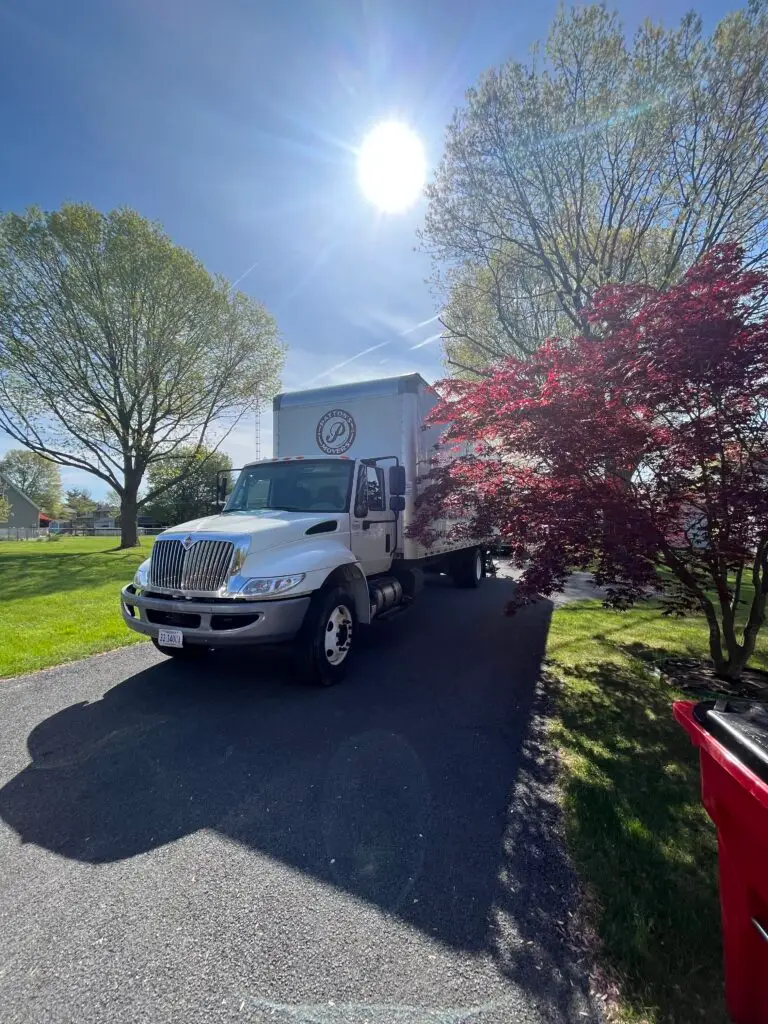
Winchester sits at the western edge of the Washington DC orbit, and the moving traffic proves it. Between the Navy Federal campus, the FBI records complex on the edge of town, and thousands of residents commuting toward Northern Virginia agencies and contractors, this area sees a steady stream of military and government relocations in both directions.
Those moves run on their own rulebook: orders, weight allowances, reimbursements, and paperwork that ordinary moves never touch. Here is how the system works and how to make it work in your favor.
How does a military PCS move work?
On a PCS move the government either arranges your household goods shipment through its official move system, or you run a personally procured move, called a PPM, and get paid for handling it yourself. Your weight allowance depends on rank and dependents, and under a PPM you are free to hire a professional moving company as part of your plan.
The government arranged route is the default and requires the least effort. The PPM route offers control and, done well, can put real money in your pocket. Plenty of families split the difference and run a partial PPM, moving some items themselves while the government handles the rest.

Why so many military and federal families land here
The math is simple: Winchester and Frederick County offer far more house for the money than Loudoun or Fairfax, with Route 7 and Interstate 66 connecting the Valley to the region’s bases and agencies. Assignments at the Pentagon, Fort Belvoir, and Quantico put families within commuting range, and the rise of hybrid schedules has stretched that range further west every year.
The area also collects people at the other end of a career. Retiring military and federal employees who spent years in Northern Virginia frequently make the Valley their landing spot, trading the beltway for the Blue Ridge while staying close to the region they know. Both groups arrive with the same needs: a mover who understands government paperwork and dates that can shift with orders.
The PPM route: getting paid to run your own move
Under a PPM, the government pays you based on what it would have cost to move your weight itself, and recent incentive rates have made that figure generous. Your job is documentation. You need certified weight tickets for your load, empty and full, receipts for every moving expense, and copies of your orders. Hiring a professional crew is completely allowed, and those invoices count as expenses in your paperwork.
Approach it like a small business project. Get your mover’s quote early, confirm they know where the certified scales are and can provide the weight tickets a PPM claim requires, and keep every receipt in one folder. Remember that any amount you clear above your documented costs is taxable income, so the paperwork matters twice. Families who run the process carefully routinely come out ahead of the default option.

Federal civilian relocations and lump sums
Civilian government and contractor relocations vary widely. Some agencies provide full relocation packages with contracted movers, others pay a lump sum and leave the logistics to you, and new hires often get nothing but a start date. If you are working from a lump sum, treat it like a PPM: quotes early, receipts kept, and a mover who will put everything in writing for your reimbursement file.
Contractors have their own rhythm, since moves follow the contract awards, and the notice can be short. Whatever your situation, find out exactly what your agency or employer reimburses before you book anything, because the difference between a covered expense and an uncovered one is usually just a matter of which line it lands on and what paperwork backs it up.
Timing, peak season, and dates that move
The military moving system jams every summer, with the crush running from mid May through August, so if your report date lands in that window, book your mover the day you have orders in hand. Fall and winter PCS moves are the quiet secret of the system: better availability, easier scheduling, and crews that are not running their fourth job of the week.
The other constant in government moves is that dates move. Orders get amended, clearances take longer than promised, and housing falls through at the last minute. Ask any mover you interview two questions: what does rescheduling cost, and what are the storage options if the new home is not ready. A company with its own storage can catch a gap between homes without handing your belongings to a third party, which is exactly the flexibility these moves tend to need.
Bottom Line
Military and government moves reward preparation: know your allowance, document everything, keep receipts, and hire people who have seen the paperwork before. Book early if your dates land in the summer PCS crush, and build in a storage plan in case the schedule slides. Patton’s Moving & Storage works with military and federal families across Winchester and Frederick County, provides the written estimates and receipts your claim file needs, and keeps storage under our own roof for the moves where timing gets complicated.
Related reading: our whats difference between services, How to Move Art, Antiques, and Family Heirlooms Safely, Climate Controlled Storage, Explained for the Valley